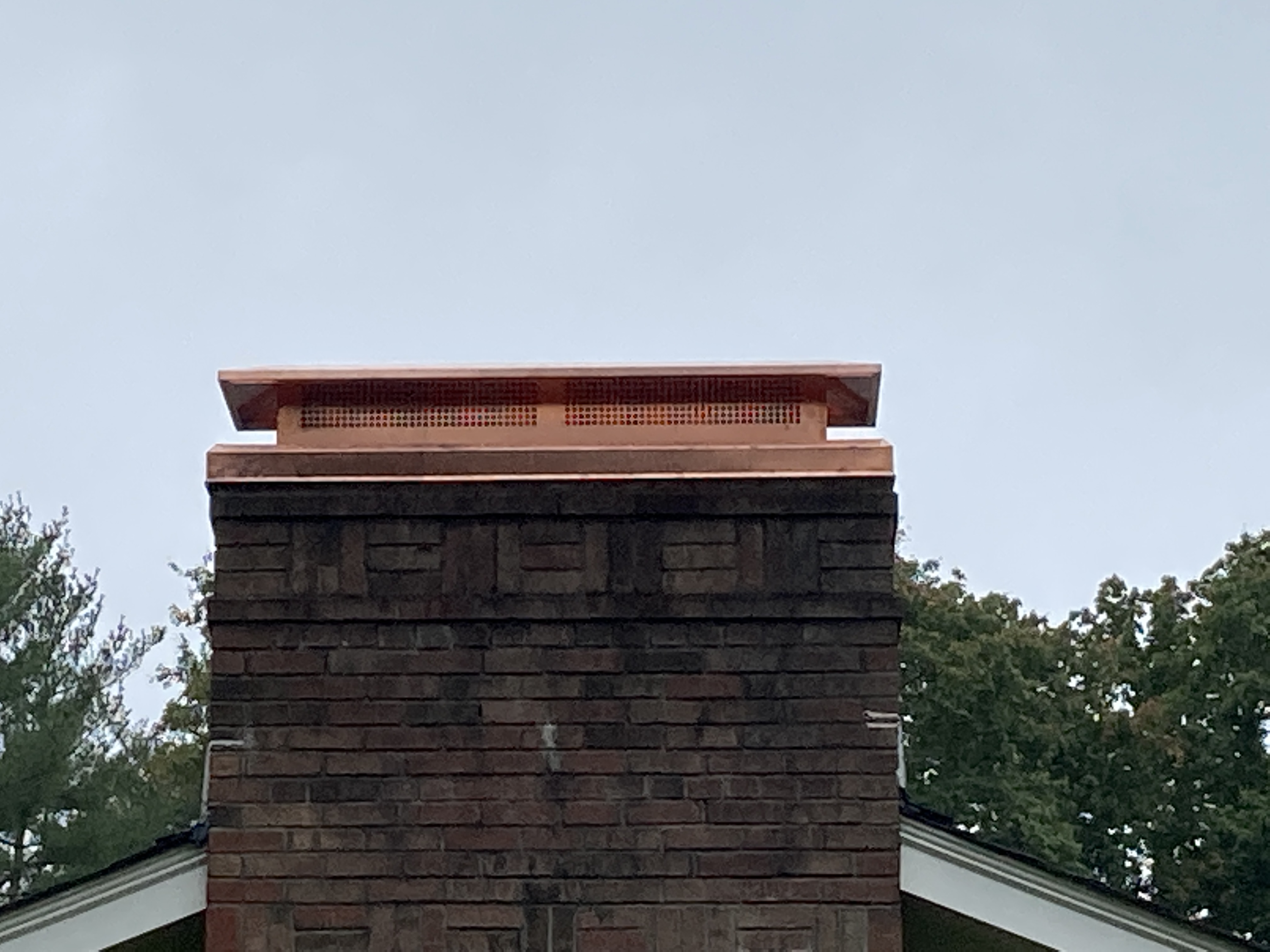
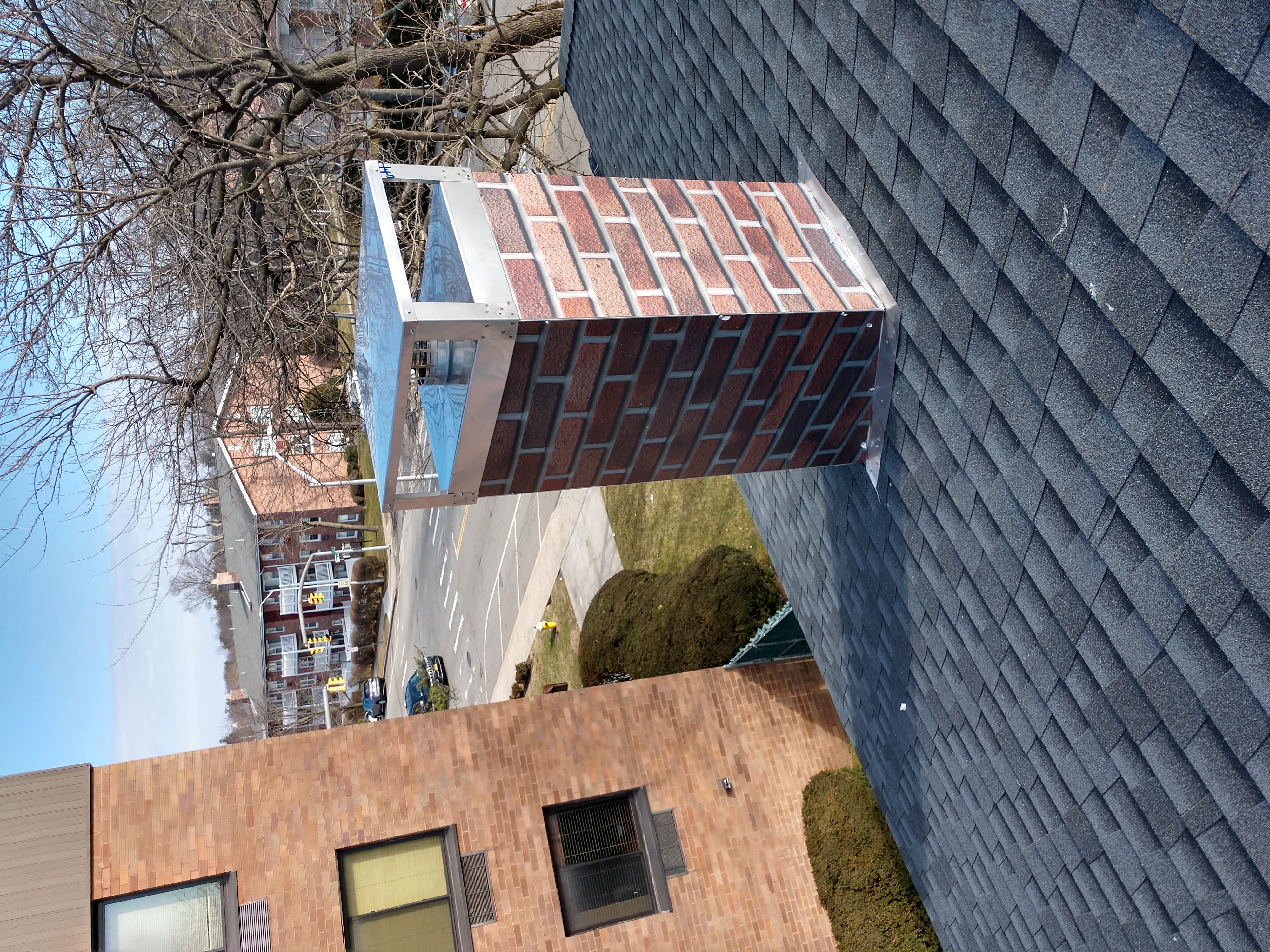
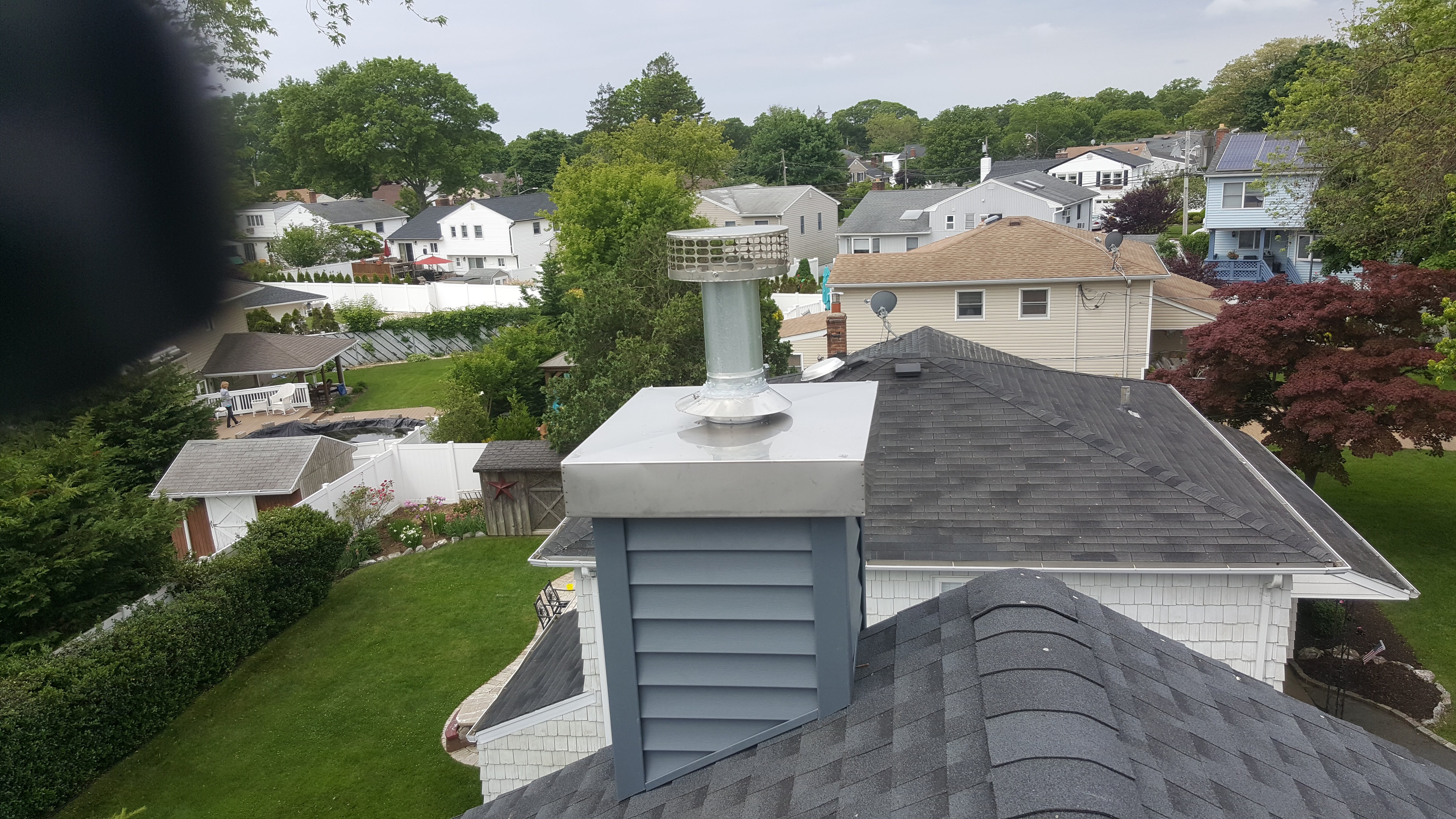
The top of your chimney works harder than you might think. Your chimney crown sits at the highest point of your home, exposed to everything the Long Island weather throws at it. Wind, rain, snow, and ice all beat down on this critical component day after day. The crown's job is simple but essential: it keeps water out. When it fails, water gets in. And when water penetrates your chimney system, repair costs multiply quickly. For homeowners in Syosset, understanding the chimney crown's role can mean the difference between a small repair and a major renovation.
The crown itself is a sloped concrete or mortar cap that covers the entire top of your chimney masonry. It surrounds the flue opening and slopes outward to direct rainwater away from the center of the chimney. Think of it as an umbrella designed specifically for your flue. This simple design is actually quite effective when it's in good condition. But time, weather cycles, and normal settling take their toll. Syosset homes, many built during the post-war housing boom, often have chimneys that are decades old. Age combined with our region's freeze-thaw cycles creates the perfect conditions for crown deterioration.
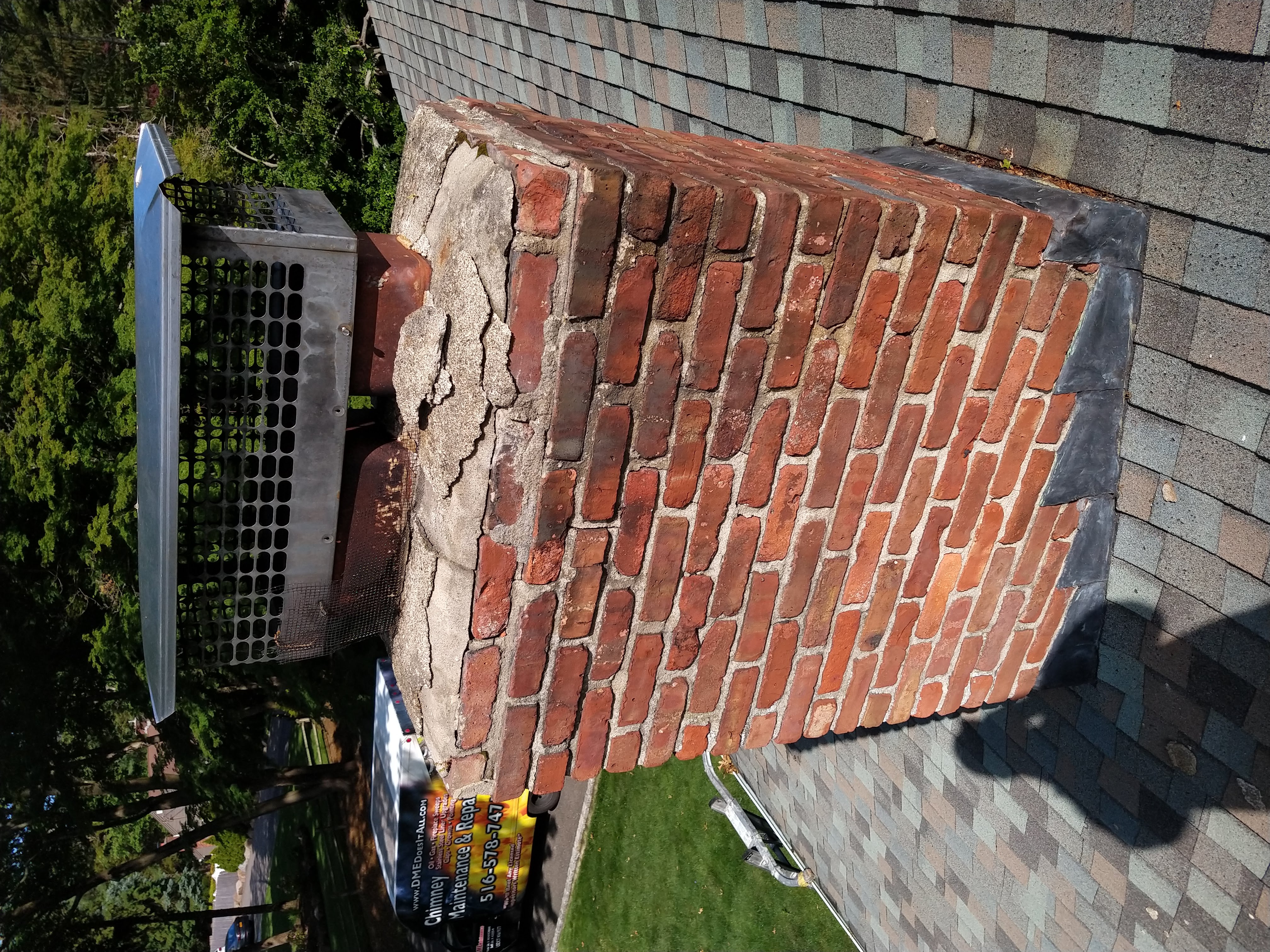
Cracked chimney crowns are the most common problem we see in Syosset and the surrounding areas. These cracks start small, often invisible to the naked eye from ground level. They might be hairline fractures or tiny spalling where the surface is flaking away. You might not notice them until you're on the roof for another reason. But water doesn't need a large opening to cause trouble. Even the smallest crack allows moisture to seep through. During winter, water inside those cracks freezes and expands, forcing the cracks wider. By spring, what started as a hairline fracture has become a serious problem. Before the rainy season arrives, a roof inspection can catch these issues early.
The real danger emerges when water passes through a damaged crown into the space below. Your chimney isn't solid all the way through. Inside the crown, there's space where your flue liner sits. Water that enters through cracks can drip down the sides of the flue, soaking into the brick and mortar joints. From there, it can migrate into your home's interior walls and attic spaces. Many homeowners in Syosset discover water damage inside their homes only after significant moisture has accumulated. Drywall stains, mold growth, and structural damage become visible long after the water entered through that compromised crown. This cascading effect is why addressing crown damage before winter and the rainy season is so important.
Oil heat dominates across Long Island, and Syosset is no exception. Most homes here rely on oil-fired heating systems that need properly functioning chimneys for safe, efficient operation. Your chimney draws air through the furnace and vents exhaust safely out through the flue. A crown damaged by water creates moisture inside the flue path. That moisture can condense on the flue liner walls during the heating season. Combined with the acidic byproducts of oil combustion, this moisture accelerates corrosion of your flue liner. Eventually, you might face costly flue replacement in addition to whatever structural damage occurred from water entry. A well-maintained crown protects your entire heating system.
Location matters too. Syosset sits on Nassau County's northern shore area, with proximity to Long Island Sound and various waterways. Our local climate brings significant seasonal precipitation. Fall and winter bring the heaviest rainfall and snow accumulation. Spring thaw cycles are particularly stressful on aging masonry. These seasonal patterns mean the rainy season and winter months put maximum stress on an already-weakened crown. Homeowners in Syosset should inspect their chimney crowns in late summer or early fall. Early detection allows time for professional repair before the weather becomes severe. Waiting until snow is in the forecast almost guarantees a rushed repair job.
The crown also protects the chimney masonry itself from direct water exposure. Your chimney brick and mortar are porous materials. Repeated wetting and drying cycles cause expansion and contraction. Over time, this accelerates mortar deterioration and can cause bricks to spall or crack. Water also causes efflorescence, a white powdery substance that appears on the masonry surface when mineral-laden water evaporates. While efflorescence is mainly a cosmetic issue, it signals that moisture is moving through your masonry. A failing crown basically removes your chimney's umbrella, exposing all the masonry below to direct weather exposure. For homes in Syosset built in the 1950s and 1960s, original mortar is often weakening just from age. Adding water exposure dramatically accelerates the deterioration process.
Professional crown repair depends on the extent of the damage. Minor cracks and small areas of spalling might be addressed with targeted patching and sealant application. This approach works when the damage is limited and the overall crown structure remains sound. However, widespread cracking, large areas of missing material, or crowns that have shifted need more substantial work. In some cases, the damaged crown needs complete removal and reconstruction. This involves safely removing the old material and building a new crown that slopes properly and extends beyond the chimney edges as designed. The material choice and application method matter significantly for long-term durability on Long Island's challenging climate. At DME Maintenance, our licensed professionals have been serving Syosset homeowners since 2001. We assess each crown condition carefully and recommend the appropriate solution for your specific situation.
We serve the full Syosset area as a Long Island-based chimney company. Many of our Syosset customers have been with us for ten or more years, scheduling their annual chimney cleaning each fall before the heating season begins — a tradition we are proud to be part of.
Timing your crown repair strategically saves money and prevents emergency situations. Early fall is ideal for Syosset homeowners who want their chimney work completed before winter arrives. Cooler temperatures during fall allow mortar to cure properly without rapid evaporation. Completing repairs before heavy rain and snow ensures your chimney enters the winter season with full protection restored. Delaying crown repair into winter creates risk. Cold temperatures, potential precipitation, and frozen ground conditions complicate the work. You're also more likely to need emergency repairs if a severely damaged crown fails during a storm. Proactive maintenance on your schedule beats reactive repairs that happen when problems become critical.
If you're a Syosset homeowner noticing signs of crown damage, don't wait for the situation to worsen. Contact DME Maintenance at 516-690-7471 to schedule a professional chimney inspection. We'll assess your crown's condition and discuss the best repair approach for your home. Early action this season prevents costly water damage and heating system problems when winter arrives. Protecting your chimney now means protecting your home's safety and integrity for years to come.